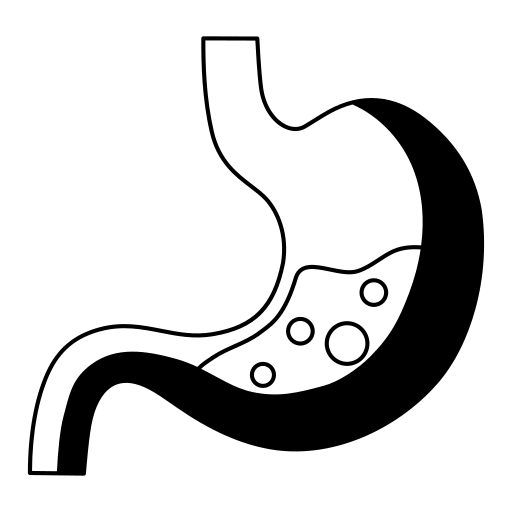

Turkey has quickly become a global destination for gastric sleeve surgery, thanks to its advanced healthcare facilities, highly qualified surgeons, and affordable treatment costs. This procedure, also known as sleeve gastrectomy, involves reducing the stomach’s size, limiting the amount of food intake to help patients achieve sustainable weight loss and long-term health improvements.
Turkish medical facilities are equipped with cutting-edge technology, and hospitals adhere to international healthcare standards to ensure patient safety.
Gastric sleeve surgery in Turkey offers significant savings, with costs often up to 60% lower than in Western countries.
Surgeons in Turkey are known for their experience in bariatric procedures, having performed hundreds of successful surgeries for international patients
Clinics in Turkey offer all-inclusive packages that cover accommodation, airport transfers, and aftercare, making the process smooth and stress-free for patients traveling from abroad.
Gastric sleeve surgery is a minimally invasive procedure that reshapes the stomach into a narrow tube, removing about 80% of it. This not only limits how much you can eat but also changes the hormones that regulate hunger, which is what supports long-term weight loss.
The cost for gastric sleeve surgery in Turkey varies depending on the clinic, surgeon, and services included. However, the average cost is typically between $3,000 and $5,000, including accommodation and transportation services.
If you are comparing offers, the figure alone tells you very little. Ask what sits behind it:
A quote that is unusually low almost always answers one of those questions differently from the others. That is the comparison worth making, not the headline price.
Our gastric sleeve surgery packages include:
The usual starting point is body mass index: a BMI of 40 or above, or 35–39.9 alongside a serious weight-related condition such as type 2 diabetes, high blood pressure or severe sleep apnoea. In 2022 the ASMBS and IFSO updated their guidance and now recommend surgery above a BMI of 35 regardless of whether other conditions are present, with surgery considered from a BMI of 30 for people with type 2 diabetes. Thresholds are also lower for patients of South Asian, Chinese, other Asian and some Middle Eastern backgrounds.
BMI is only the gate, though — reflux, previous abdominal surgery, certain medications and your anaesthetic fitness all shape the recommendation. Our guide on whether you are a candidate for gastric sleeve surgery goes through the full criteria and the tests that decide. The ASMBS overview of bariatric procedures is a useful independent reference while you are deciding.
The first weeks follow a staged diet — clear liquids, full liquids, pureed food, soft food, then regular food — and the staging is not optional. Our gastric sleeve diet guide, stage by stage sets out what you can eat and when, with protein, fluid and vitamin targets. The week-by-week recovery guide covers what to expect physically across the first months. Our lifelong vitamin and supplement list sets out the doses and the blood-test schedule that protect you.
Beyond that, a sleeve asks for daily supplements, periodic blood tests and enough protein for the rest of your life. It is a real commitment, but a simpler one than a bypass.
Get Your Free Consultation Today
Complete our form to connect with a qualified consultant and learn how gastric sleeve surgery in Turkey can change your life.
The surgery itself carries the same risks wherever it is performed. What changes abroad is continuity: who looks after you in the first days, and who follows you after you fly home. Ask those two questions of any clinic you are considering, including ours.
Plan for roughly a week: pre-operative tests, 2–3 days in hospital and the remaining nights in the hotel before your team clears you to fly.
Yes — accommodation and airport transfers are included in the quoted price. Your written quote will list exactly what is covered before you commit to anything.
You leave with a nutrition plan, a supplement schedule and a blood-test timetable, and our team remains reachable for questions. We will also tell you which checks your own doctor should run and when.
Only when your surgical team confirms you are fit to travel. Flying too early carries a clot risk, which is why the hotel nights after discharge are part of the plan rather than an extra.
Yes, and it is one of the more common revision operations — usually for severe reflux that does not respond to treatment, or insufficient weight loss. That it is possible does not make it simple: a second operation is more complex than the first.
You will lose weight at first regardless. Keeping it off is the part that depends on you. This is worth being honest with yourself about before you book, not afterwards.
The medical information on this page is general and not a substitute for individual assessment. It cannot account for your personal health, medications or history, and eligibility criteria and outcomes differ between patients. Any decision about weight loss surgery should be made with a qualified bariatric team after a full assessment, and the instructions of your own surgical team always take precedence.